Ripple’s stablecoin, RLUSD, has surpassed $1 billion in market capitalization less than a year after its launch in December 2024.
This achievement makes RLUSD the 10th largest U.S. dollar-backed stablecoin by market cap, according to data. Issued by XRP creator Ripple, RLUSD is backed by dollar reserves and short-term U.S. Treasuries, and is intended to be integrated into Ripple’s broader payments and liquidity framework.
Although RLUSD’s market cap remains small compared to major players like Tether’s USDT at $183 billion and Circle’s USDC at $76 billion, its rapid growth indicates strong early demand. Currently, RLUSD’s circulating supply consists of $819 million in tokens on the Ethereum blockchain and $203 million on the XRP Ledger network.
Most stablecoins take years to reach the billion-dollar mark, but RLUSD’s swift progress suggests that Ripple has effectively leveraged its customer base and global financial network to boost adoption. The company has primarily targeted institutional clients seeking stable on-chain settlement options, but has also gained significant traction among retail users.
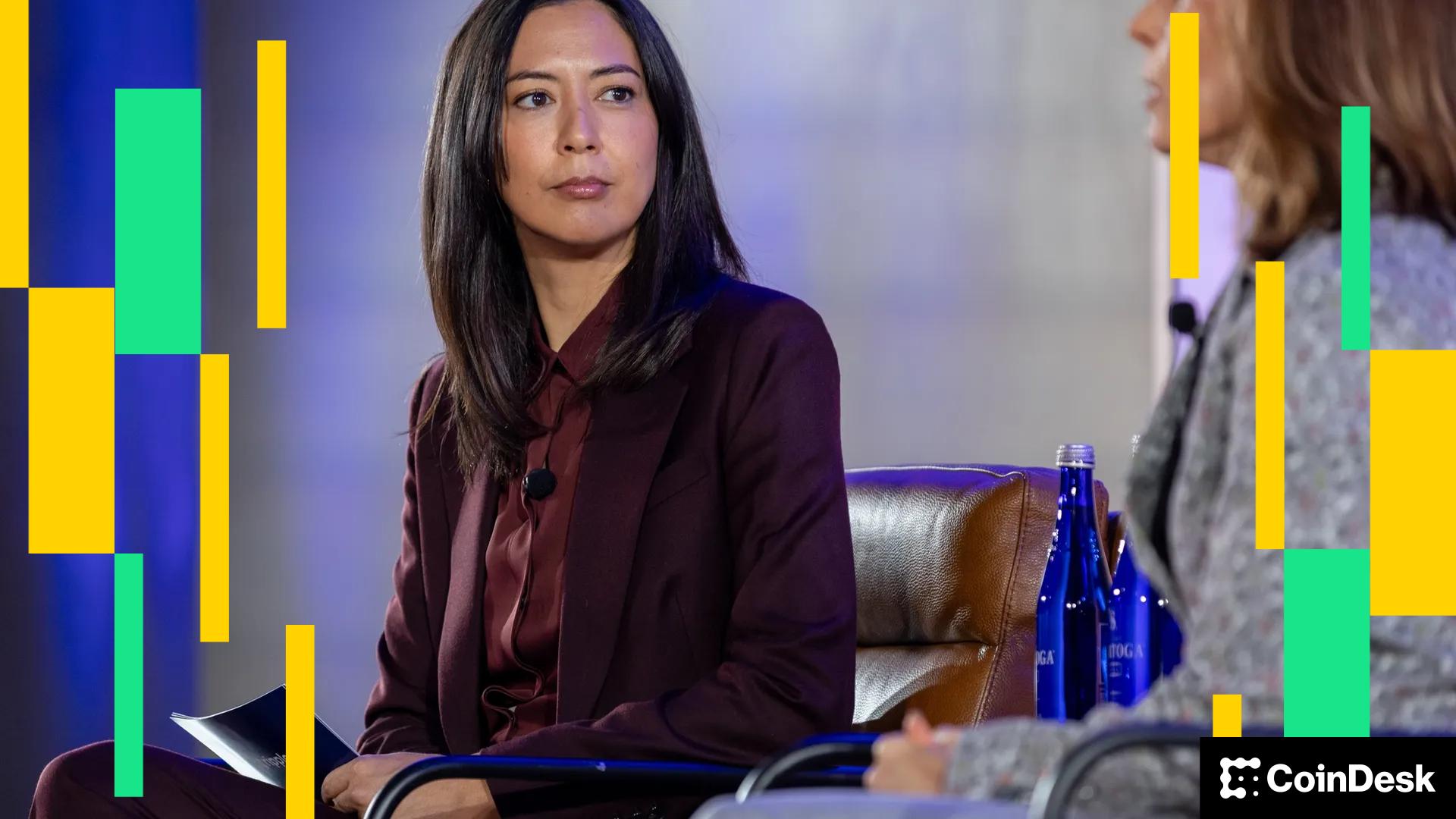
Monica Long, president of Ripple, shared that demand for the firm’s payment services has been increasing. Ripple has processed nearly $100 billion in payments to date, and RLUSD is the “primary stablecoin” used for payment flows.
“We’ve doubled the number of customers throughout the year,” Long noted, adding that Ripple now holds over 75 global licenses.
This year, Ripple has actively acquired four companies to enhance its digital assets portfolio for institutions and enterprises. It purchased prime broker Hidden Road for $1.25 billion, and stablecoin payments firm Rail for $200 million, with current targets including treasury technology provider GTreasury and a wallet infrastructure startup.
“It’s been a remarkable year for us, both in organic growth and acquisitions,” Long stated. “We’re bringing together all the pieces.”
Long explained that Ripple’s acquisition strategy focuses on targets that accelerate existing offerings or expand into new areas.
“We’ll remain opportunistic with acquisitions. We have a strong balance sheet,” Long concluded.
Leave a Reply