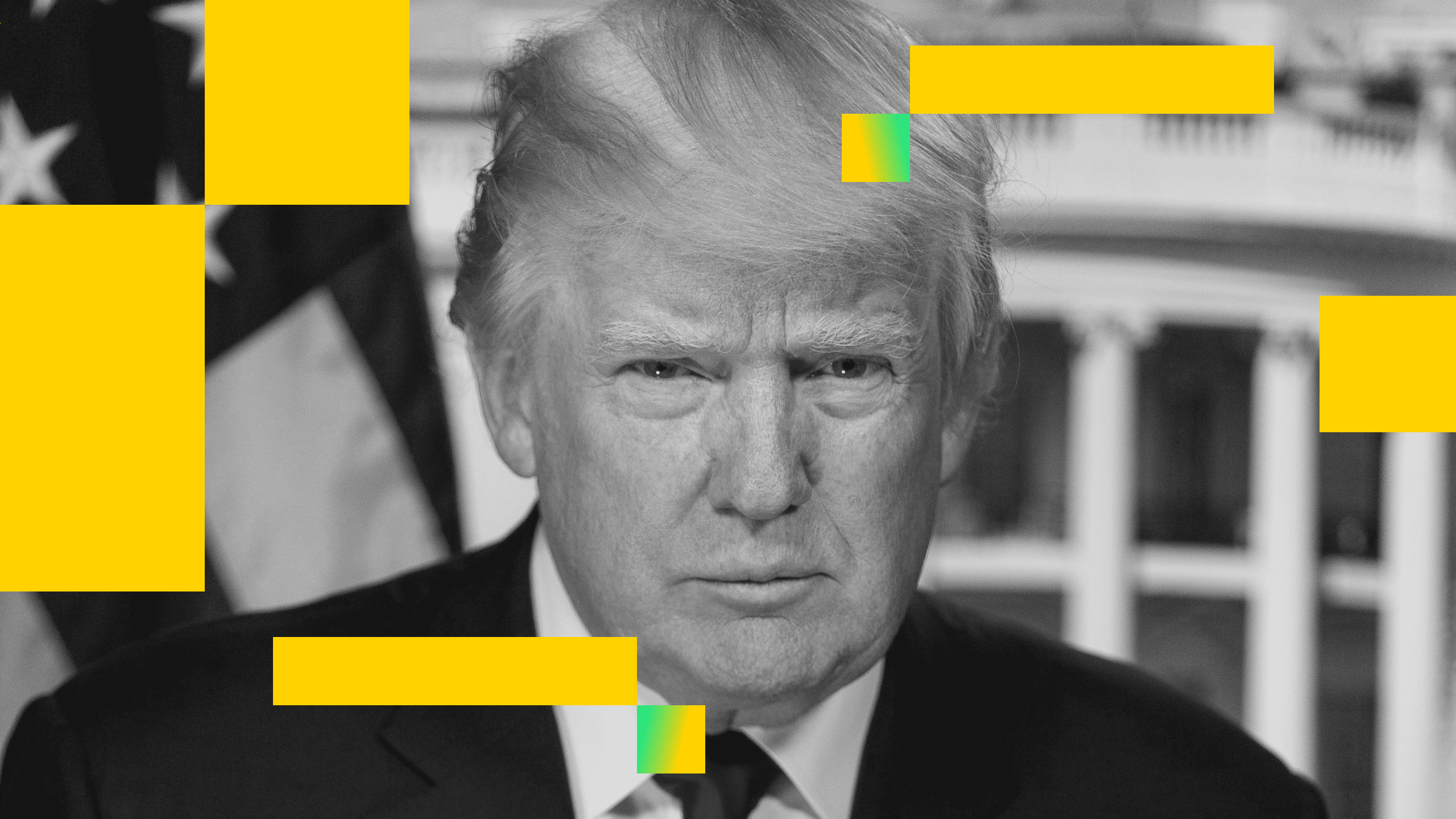
One of the most contentious aspects of President Donald Trump’s second term is his unrelenting criticism of Federal Reserve (Fed) Chair Jerome Powell for keeping interest rates high—a stance Trump contends is unduly detrimental to the American economy.
This issue transcends mere rhetoric. Trump is striving to undermine the Fed’s board, challenging an institution historically known for its political autonomy. Paradoxically, this very attack threatens to exacerbate the situation, amplifying claims that the Fed is “behind the curve,” which could result in a further drop in the U.S. dollar.
“Political pressures make it tough to credibly shift to a more dovish stance. This leads to data-driven policy decisions (and thus late responses) instead of proactive measures. That’s detrimental for the USD,” stated the market insights team at Lloyds Bank, led by Nicholas Kennedy, in a note to clients on Sept. 18.
Trump’s Assault on the Fed
Last Thursday marked a significant escalation in Trump’s campaign against the central bank, as his administration took the unprecedented step of petitioning the U.S. Supreme Court to permit the dismissal of Federal Reserve Governor Lisa Cook. This would mark the first forced removal of a sitting Fed governor since the institution was established in 1913.
The action followed a temporary judicial block issued by U.S. District Judge Jia Cobb, who halted Cook’s ousting, pending additional legal proceedings.
The Lloyds Bank market insights team anticipates that such attacks will intensify as Powell approaches the end of his term as Chairman. Trump’s recent Fed appointee, Stephen Miran, is already advocating for rapid rate cuts and desires the bank to lower the benchmark borrowing costs by 50 basis points during the latest meeting.
Behind the Curve
At its essence, Trump’s campaign reflects a longing for a Federal Reserve that aligns more closely with his economic perspective, which calls for interest rates around 1%, significantly lower than the current 4%.
Trump argues that existing rates render mortgages unaffordable for many Americans, stifling homeownership and imposing billions in unnecessary refinancing costs. He describes this as a significant missed opportunity in an otherwise “phenomenal” economy. Meanwhile, many economists concur that rates remain excessively high in light of signs indicating weakened labor markets and consumer health.
Consequently, the Federal Reserve is broadly viewed as “behind the curve,” a technical term suggesting that it is slow to adjust rates in response to changing economic conditions.
Yet, Trump’s push for quicker rate cuts risks further placing the Fed behind this essential curve.
Caught in a Dilemma
Imagine overseeing the world’s most powerful central bank, tasked not only with managing the largest economy but also with safeguarding the global reserve currency, the USD. Now, consider the political pressure to cut rates swiftly, juxtaposed with the fear of appearing politically compromised. This scenario leaves policymakers trapped in a no-win situation: they are criticized if they act rapidly and equally condemned if they do not.
In contrast to typical policymakers who adapt with measured responses to data, Powell and his colleagues now operate under immense political pressure and public scrutiny from the White House. They confront a classic catch-22: they risk being accused of yielding to political pressure if they opt for rapid rate cuts (even if done independently) or waiting too long and potentially worsening an economic slowdown.
This dynamic may fuel resistant stubbornness. To avoid allegations of capitulating to political influences, the Fed might instinctively choose caution—delaying action and retaining elevated rates. However, this approach can worsen matters: such delays can keep monetary policy misaligned with economic conditions, much like a patient who avoids mild treatment only to require drastic measures when a fever escalates.
Subsequent aggressive rate cuts could be viewed by markets as indicative of panic, resulting in heightened volatility in financial markets, including cryptocurrencies.
Dollar Under Pressure
This catch-22 might also weigh heavily on the U.S. dollar, providing a bullish outlook for dollar-denominated assets like gold and bitcoin.
The dollar index, which assesses the greenback’s value against major currencies, has plummeted nearly 10% this year to 97.64. Meanwhile, bitcoin’s price has surged by 24% to $115,600.
Leave a Reply