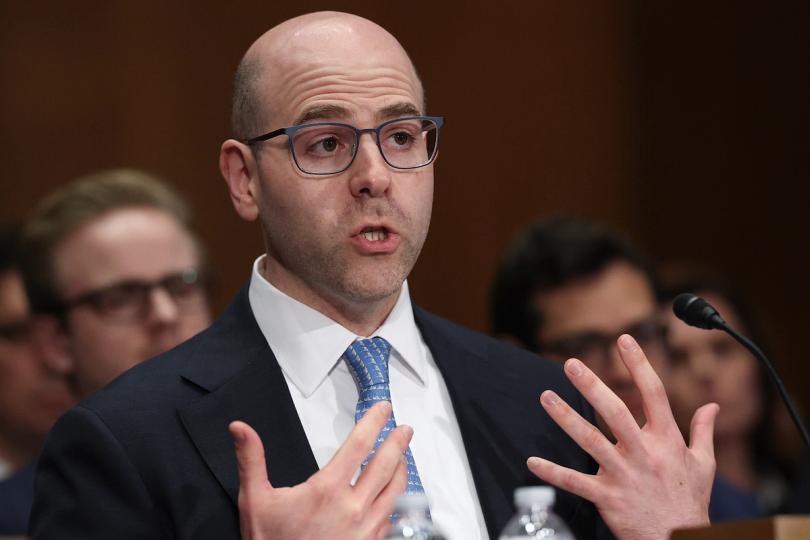
U.S. Federal Reserve Governor Stephan Miran, the newest member of the board of governors following his recent confirmation, highlighted stablecoins and the potential impact of their rapid growth—particularly among foreign users—on monetary policy.
“Stablecoins may become a multitrillion-dollar elephant in the room for central bankers,” Miran stated in a recent speech in New York. He mentioned that Fed staff projects “adoption reaching between $1 trillion and $3 trillion by the end of the decade.”
“Currently, there are under $7 trillion in outstanding Treasury bills,” he noted. “If these forecasts hold true, the additional demand from stablecoins will be significant.”
Miran, who previously served as an economic official in President Donald Trump’s administration before joining the Fed, expressed skepticism that stablecoins would negatively impact U.S. bank deposits, arguing that the new stablecoin legislation—the Guiding and Establishing National Innovation for U.S. Stablecoins Act (GENIUS) Act—does not directly promote yield.
“I expect most demand for stablecoins to arise from regions lacking access to dollar-denominated savings instruments, thereby increasing the demand for dollar assets,” he stated at the BCVC Summit 2025.
“If a global stablecoin surplus results from capital flowing out of foreign currencies and into the U.S. dollar, it will, all else being equal, strengthen the dollar,” Miran added. “Depending on how strong this effect is relative to other factors impacting the Fed’s price-stability and maximum-employment mandates, it could prompt a response from monetary policy.”
Stablecoins are dollar-linked tokens that the crypto sector utilizes as a stable component in trades and contracts, with issuers like Tether’s USDT and Circle’s USDC set to be regulated under the GENIUS Act, which is the first major crypto legislation enacted in the U.S.
Miran, who continues to retain his White House position as the chair of the Council of Economic Advisers, claimed that the U.S. financial infrastructure could “use a reboot,” suggesting that dollar-backed tokens could serve this need.
“Stablecoins may lead the way in facilitating dollar holdings and payments both domestically and internationally,” he remarked.
Read More: ECB Warns U.S.-Backed Stablecoin Use in EU Could Undermine Its Monetary Autonomy
Leave a Reply