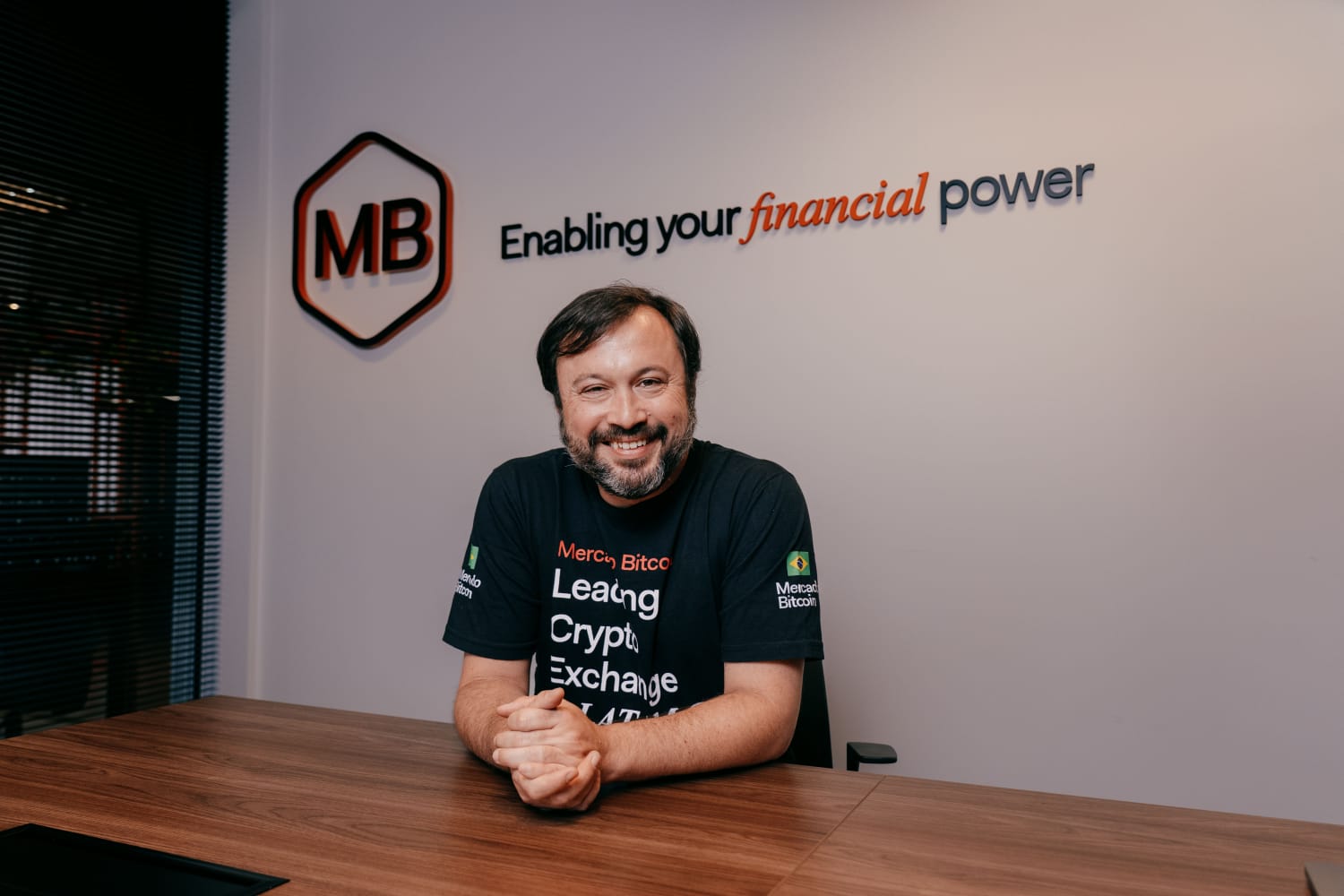
Corporate clients, primarily small and medium enterprises, represent approximately 10% to 15% of all assets held on Mercado Bitcoin, Brazil’s leading crypto exchange, as stated by Daniel Cunha, the head of corporate development.
“These companies seldom move more than 10% of their assets at any given time,” Cunha mentioned in an interview. “They’re here to hold, not trade.”
These firms mainly utilize bitcoin to safeguard their cash reserves from global volatility, driven by increasing concerns over inflation, currency devaluation, and geopolitical instability.
The trend gained momentum when companies like Strategy (MSTR) began to adopt bitcoin as a corporate treasury asset. Strategy currently holds 639,835 BTC, making it the largest corporate holder of the cryptocurrency. Publicly traded companies collectively hold over 1 million BTC, but the amount held by small and medium enterprises remains unknown.
Cunha did not disclose the exact figures for these companies on Mercado Bitcoin. Brazil ranks fifth in the Global Crypto Adoption Index, showing a history of cryptocurrency adoption; however, it has only one publicly traded company holding BTC, Méliuz. OranjeBTC is preparing to list on Brazil’s B3 exchange, aiming to become the country’s largest publicly traded corporate holder of the cryptocurrency with a treasury of $400 million.
Cunha remarked that these companies are not seeking yield or experimenting with altcoins; instead, they focus on BTC and stablecoins like USDT and USDC for treasury management. These assets serve conservative cash-management purposes rather than speculative interests.
The increase in institutional activity is also having a side effect—it’s decreasing the overall volatility of crypto markets, according to Cunha. This makes bitcoin an increasingly attractive option for treasurers, even as the enterprise segment in Brazil is still beginning to adopt crypto.
“The big players in Faria Lima? They’re still on the sidelines,” he said, referencing the financial district in Brazil’s largest city, São Paulo, often likened to Wall Street. “They haven’t made a move yet. It’s all waiting to happen.”
Leave a Reply