El Salvador has revamped its bitcoin storage methods, enhancing security while preparing for potential technological risks.
In a recent announcement, the Bitcoin Office revealed that the country’s entire reserve has been redistributed from a single wallet to multiple new ones. Each wallet will contain a maximum of 500 BTC to minimize damage in case of a compromise.
Officials stated that the new structure follows established industry standards while also considering advancements in quantum computing, which could potentially undermine the cryptographic systems that protect bitcoin and other online communications.
The risk arises when coins are spent since the digital signature securing those funds must be exposed on the blockchain. While this is currently secure, a future quantum computer could leverage this exposed information to derive the private key and steal the funds before the transaction is confirmed.
By transferring coins into several unused wallets, El Salvador minimizes the risk of having too many exposed keys simultaneously. Most holdings remain secured behind information currently safe from attacks, and the wallet size cap ensures that even a breach wouldn’t jeopardize the entire reserve.
The government acknowledged that its previous method of keeping everything in a single address for transparency resulted in excessive exposure. This address was used frequently, making the keys almost continuously visible on the blockchain. The new arrangement features a public dashboard that allows tracking of reserves across multiple wallets, ensuring accountability without reusing the same address.
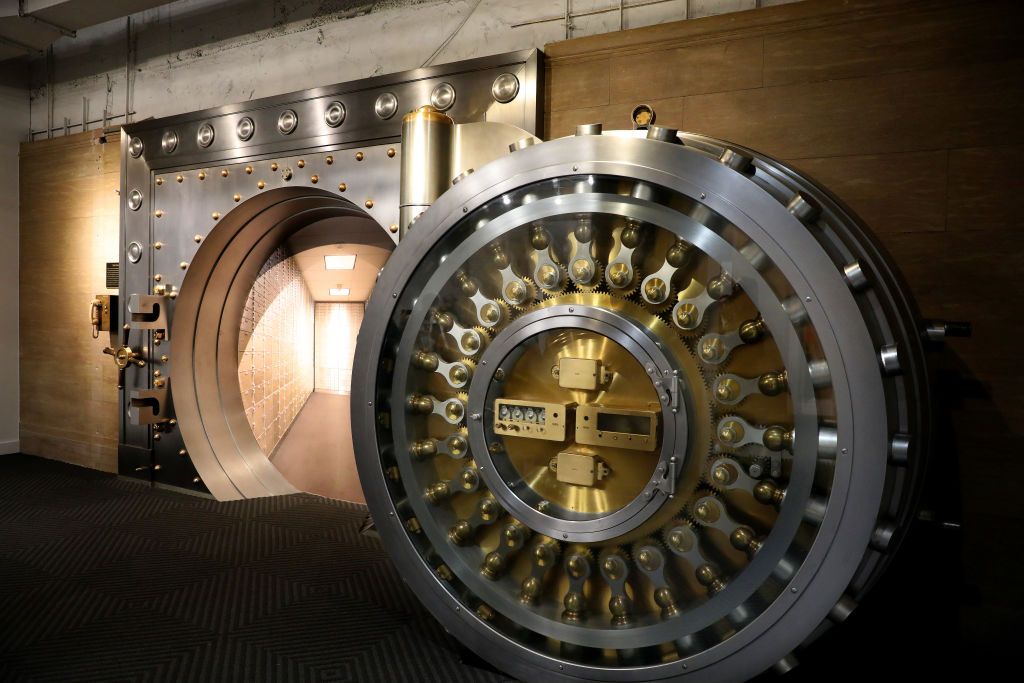
In simple terms, this approach is akin to moving funds from one massive vault into a series of smaller safes. The locks on these safes remain concealed until accessed, and no single safe contains too much cash.
Additionally, this aligns with fundamental bitcoin practices. Experienced users often caution against reusing the same wallet, as it weakens privacy and security. They also recommend splitting large balances into smaller amounts to limit potential damage if issues arise.
That’s why Adam Back, a bitcoin pioneer and CEO of Blockstream, endorsed the change, emphasizing that it’s wise to divide funds into multiple components rather than consolidating them in one place.
Back has not directly addressed the quantum concern but highlighted that El Salvador’s updated method reflects long-standing best practices within the bitcoin community.
Most researchers believe that quantum computers capable of threatening bitcoin are still a decade or more away, and the network could adapt new safeguards if required. However, El Salvador isn’t waiting.
By merging transparency with a more resilient storage model, the country has established itself as a test case for managing sovereign bitcoin reserves in the future, potentially offering a blueprint for others to follow.
Leave a Reply