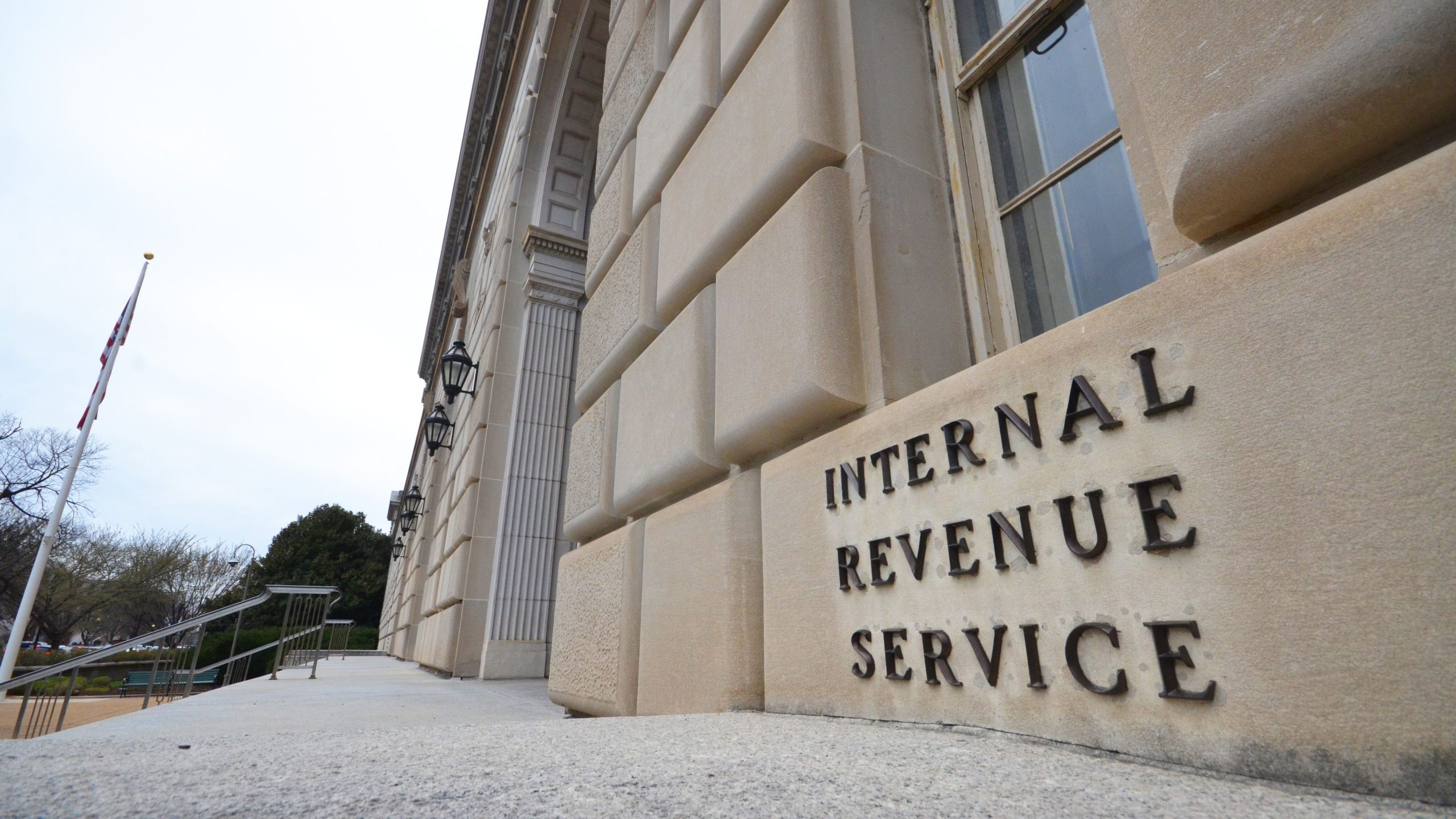
The head of the U.S. Internal Revenue Service’s digital assets unit, Trish Turner, is leaving her post for the private sector just as new tax policies are set to potentially bring in a wave of crypto work for the agency.
As she departs, it’s unclear who will be running the office that’s been leading the tax agency’s crypto work as a major shift in U.S. digital assets taxation is on the horizon. Turner’s exit comes after the IRS set several new rules and forms in motion to direct taxation requirements for individual crypto investors. Her departure closely follows that of two other top officials on crypto work, Seth Wilks and Raj Mukherjee, who also left earlier this year.
The tax arm of the Treasury Department is poised to experience a massive influx of crypto-sector filings while also enduring significant budget and staffing cuts. IRS staffing has declined significantly over the years, from about 113,000 three decades ago to approximately 76,000 recently.
One major change at the IRS is the new 1099-DA form that millions of investors will be receiving from their crypto brokers. Previously, about 3 million taxpayers disclosed they had crypto transactions, a figure likely much higher in reality, setting up a potential wave of newly reported crypto taxpayers as policies come online. The IRS did not comment on Turner’s departure or her successor.
“Digital assets have shifted from a niche issue to a core focus for global regulators, and I am proud to have helped lay the foundation for oversight in this fast-changing space,” Turner said in a statement. “Now, I’m excited to be moving to the other side of the table to help taxpayers, businesses, and institutions understand their obligations and navigate those same rules with confidence.”
In her new roles, Turner will serve as tax director at a firm specializing in crypto transactions and will also work with a UK firm.
The firm’s founder stated that Turner’s arrival will help ensure clients receive the highest level of guidance and confidence in their filings.
For years, crypto investors and businesses have faced uncertainties in U.S. tax laws, lacking third-party documentation to clarify their tax-filing requirements. As a result, many digital asset holders have neglected their crypto tax calculations in prior years, complicating matters for the IRS.
With the new 1099-DA forms expected to flow from crypto investors’ accounts early next year, recipients will face increased pressure to clarify and disclose their tax positions. However, a rule that aimed to treat certain decentralized finance platforms as brokers was recently overturned by Congress, leaving treatment of that segment of the crypto sector uncertain.
Leave a Reply