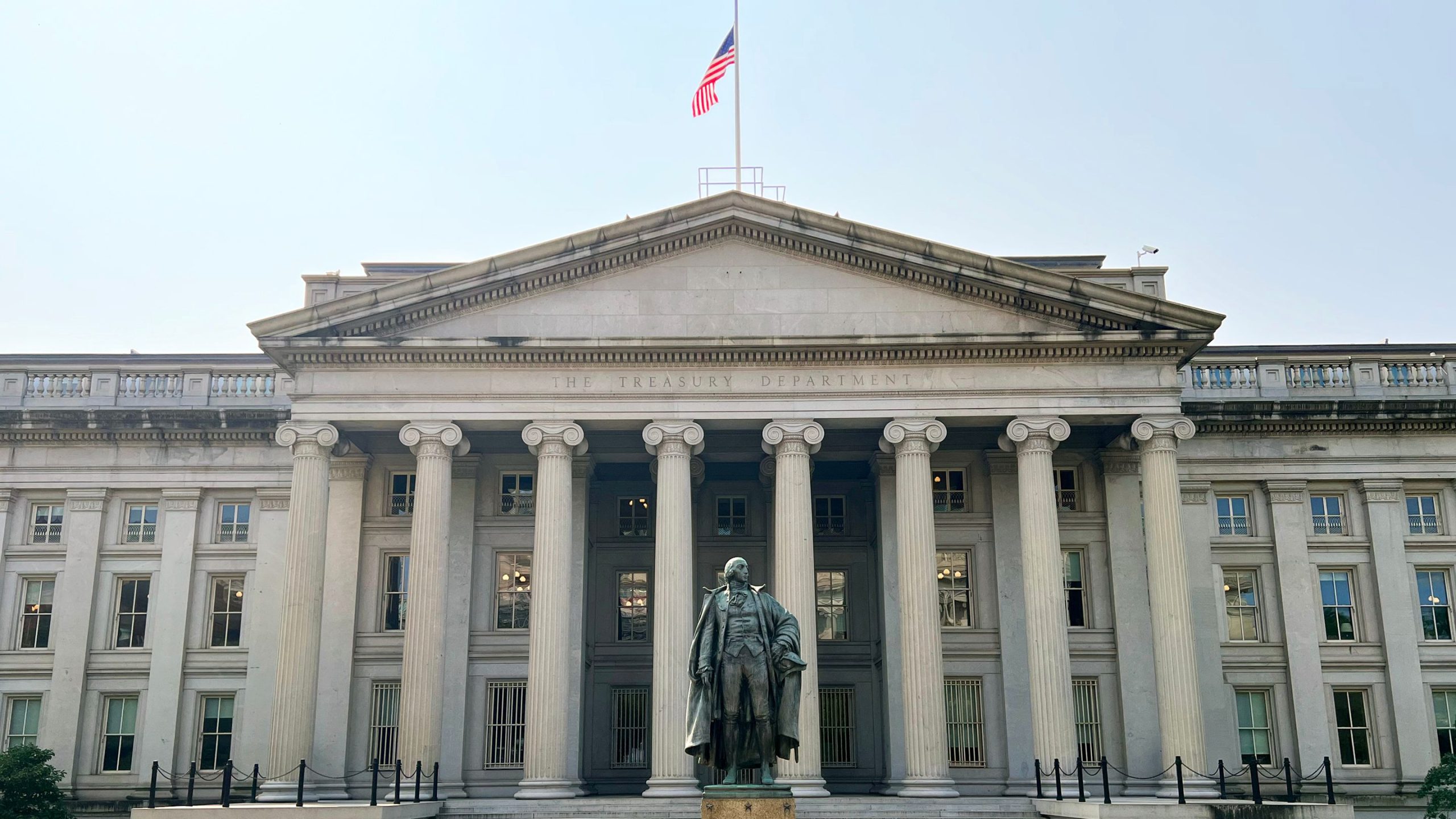
The U.S. Treasury Department is seeking new ideas for detecting and cutting off illicit crypto activity as it begins to implement the new stablecoin law.
The Guiding and Establishing National Innovation for U.S. Stablecoins (GENIUS) Act — the first major U.S. law to create a regulatory system in the crypto space — called for government action on limiting dangers from bad actors in digital assets. The Treasury Department is asking for public comments to identify innovative methods or strategies that regulated financial institutions can use to detect illicit activity involving digital assets.
The crypto sector will have a 60-day comment window to share industry views on addressing shady crypto use, according to the department’s request on Monday.
The GENIUS Act is entering a typically lengthy implementation period as federal agencies work to put the new financial-regulation law into effect. U.S. banking regulators will also develop policies for overseeing stablecoin issuers in the future.
However, GENIUS was only the first and less significant part of the two-part legislative priority for the crypto industry. The sector is still waiting for further action from Congress on the bill that would establish guardrails for the broader digital assets markets. Recently, the House of Representatives passed its Digital Asset Market Clarity Act with a wide bipartisan vote, but the Senate will shape that legislation when it returns from its summer break.
President Donald Trump has actively pushed his administration to craft crypto-friendly policies, issuing executive orders and driving federal regulators to set standards after years of resistance from the U.S. government. Agency heads have indicated that some work can proceed even before Congress finishes its tasks related to crypto.
Read More: Trump Signs GENIUS Act Into Law, Elevating First Major Crypto Effort to Become Policy
Leave a Reply