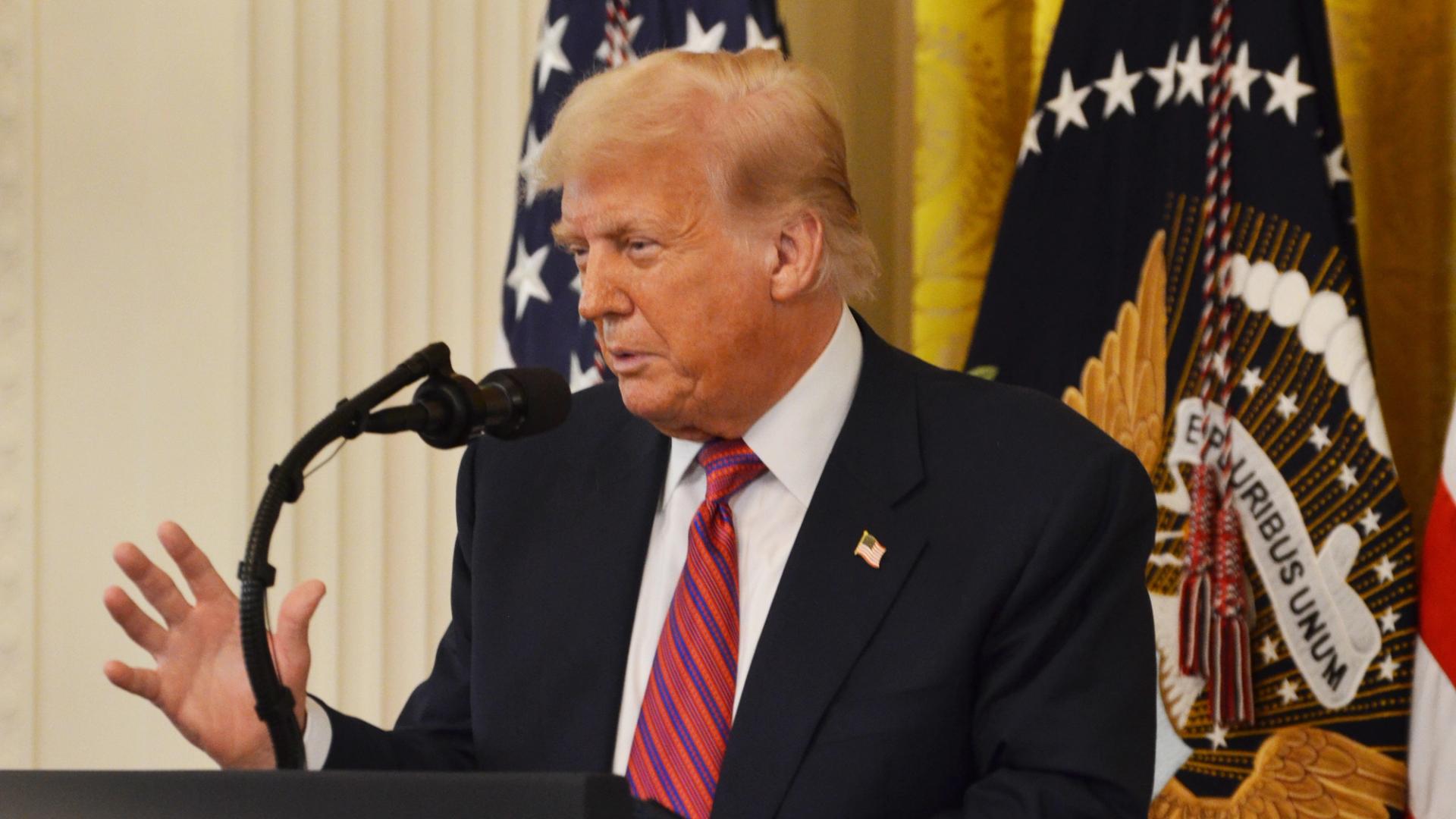
With crypto policy now representing one of President Donald Trump’s most significant achievements in his second term, the White House is reportedly preparing to integrate digital assets into a more prominent role in the U.S. economy.
Trump is widely expected to soon issue an executive order calling for Americans’ retirement plans — the 401(k)s that represent a vast segment of U.S. investing — to open further to less traditional assets, including cryptocurrencies. If this occurs, it could facilitate a substantial portion of the investing public entering the digital asset space, even as the market still lacks formal U.S. regulations.
The administration’s report on crypto, mandated under Trump’s order on digital assets policy, is set to be released soon, with expectations that it will be extensive and cover various topics. The industry will be looking closely for updates on the federal formation of crypto reserves — including a potential Bitcoin Strategic Reserve — and information on other initiatives, possibly concerning crypto tax issues.
Trump’s director of the Federal Housing Finance Agency, William Pulte, has ordered government-backed mortgage giants Fannie Mae and Freddie Mac to develop plans to incorporate a borrower’s crypto holdings as assets for backing mortgages. This move has faced opposition from Democratic lawmakers, including Senator Elizabeth Warren, who have consistently opposed Trump’s crypto policies.
“Expanding underwriting criteria to include unconverted cryptocurrency assets could pose risks to the stability of the housing market and the financial system,” according to a letter to Pulte from several Democratic senators, including Warren — the ranking Democrat on the Senate Banking Committee. The letter cited the high volatility of crypto as a danger in mortgage underwriting.
If crypto becomes integrated into everyday retirement savings and mortgage lending, and serves as a significant reserve in federal fiscal policy, the changes could dramatically broaden the adoption and use of crypto in the U.S., which the president has pledged will become the world capital for digital assets.
Opposition Democrats recently experienced a setback with congressional actions that saw significant support for crypto initiatives from a portion of their party. However, a larger challenge looms with the Senate’s attempts to advance legislation to establish rules for U.S. crypto markets.
With stablecoin oversight now established through the GENIUS Act, which Trump marked as a significant victory during Crypto Week, the Senate needs to gather sufficient support for its legislative work on market structure. The House of Representatives has already approved a similar bill, but the Senate is drafting its own legislation that must again surpass 60 votes in favor, requiring substantial backing from Democrats.
The industry faces a deadline next week to provide lawmakers with feedback on the discussion draft, although this date falls during the Senate’s August recess when lawmakers are typically away from Washington. House lawmakers have already begun their recess.
In the absence of Congress, Washington generally slows down, but crypto is expected to maintain a prominent position on the federal agenda through the remainder of 2025.
Read More: Trump Signs GENIUS Act Into Law, Elevating First Major Crypto Effort to Become Policy
Leave a Reply